

On Rock Day it goes like this: we talk about musical and business success. And we start with a question for you: “How much would you pay for an album by your favorite band or singer?”
The stakes are high, so get ready for some surprising numbers!
Based on confirmed figures and information from music industry sources, in 2021 at least 5 billion dollars were spent on acquisitions of catalog and song rights across more than 60 deals.
This number includes deals for individual catalogs sold by artists and composers, as well as acquisitions of music rights portfolios (including those owned by active labels/publishers).
The mergers and acquisitions market for rights sprang into action as early as January 2022 with the news that Warner Music Group, through its subsidiary Warner Chappell Music, acquired the global publishing rights to the songs in David Bowie’s catalog. The deal price was around 250 million dollars.
Here are some Rock M&A numbers from 2021 and 2022:
- Primary Wave acquires a stake in James Brown’s rights package in a 90 million dollar deal.
- The Hipgnosis Songs Fund confirmed that, in the period from April to September 2021, it spent a total of 260 million dollars on music copyrights. These acquisitions included the Red Hot Chili Peppers’ song catalog, a deal that cost Hipgnosis about 140 million dollars.
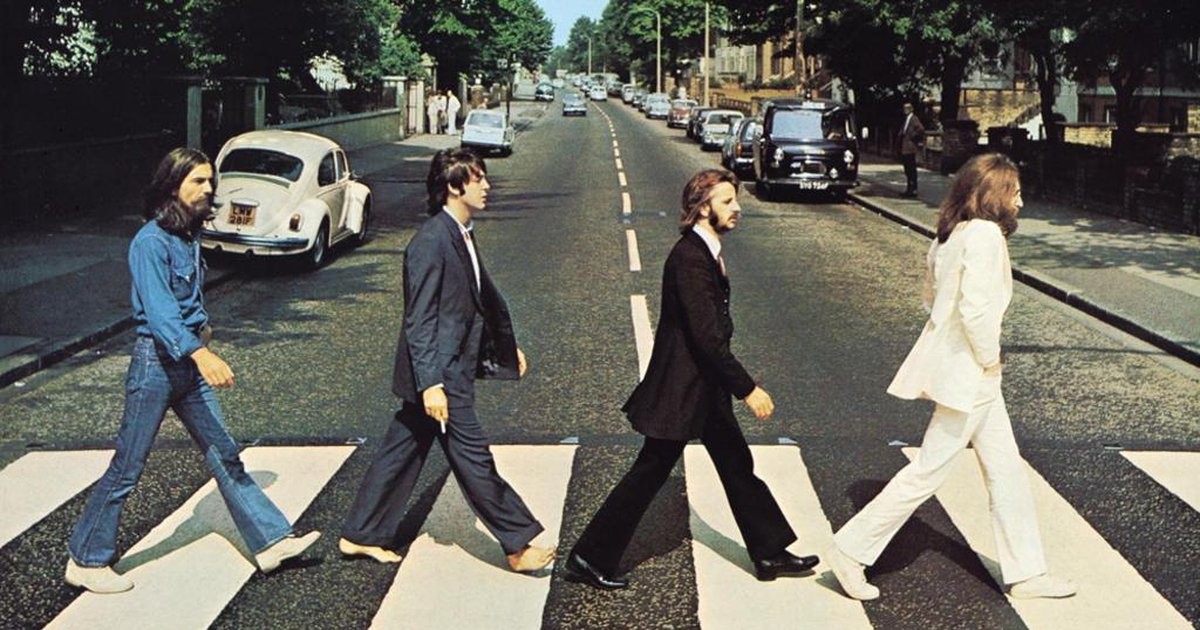
- Round Hill’s UK-listed fund spent 282 million dollars on hits recorded by the Beatles, Marvin Gaye, and others.
- In early 2021, Primary Wave bought the legendary Sun Records in a 30 million dollar deal, including masters by Johnny Cash and Jerry Lee Lewis.
- Hipgnosis acquires the catalog of Michael Bublé and Metallica producer Bob Rock.
- Round Hill buys the catalog of Billy Duffy, composer and guitarist of the British rock band The Cult.
- Reservoir acquires the catalog of legendary rock producer Tom Werman.
Valuation Trivia:
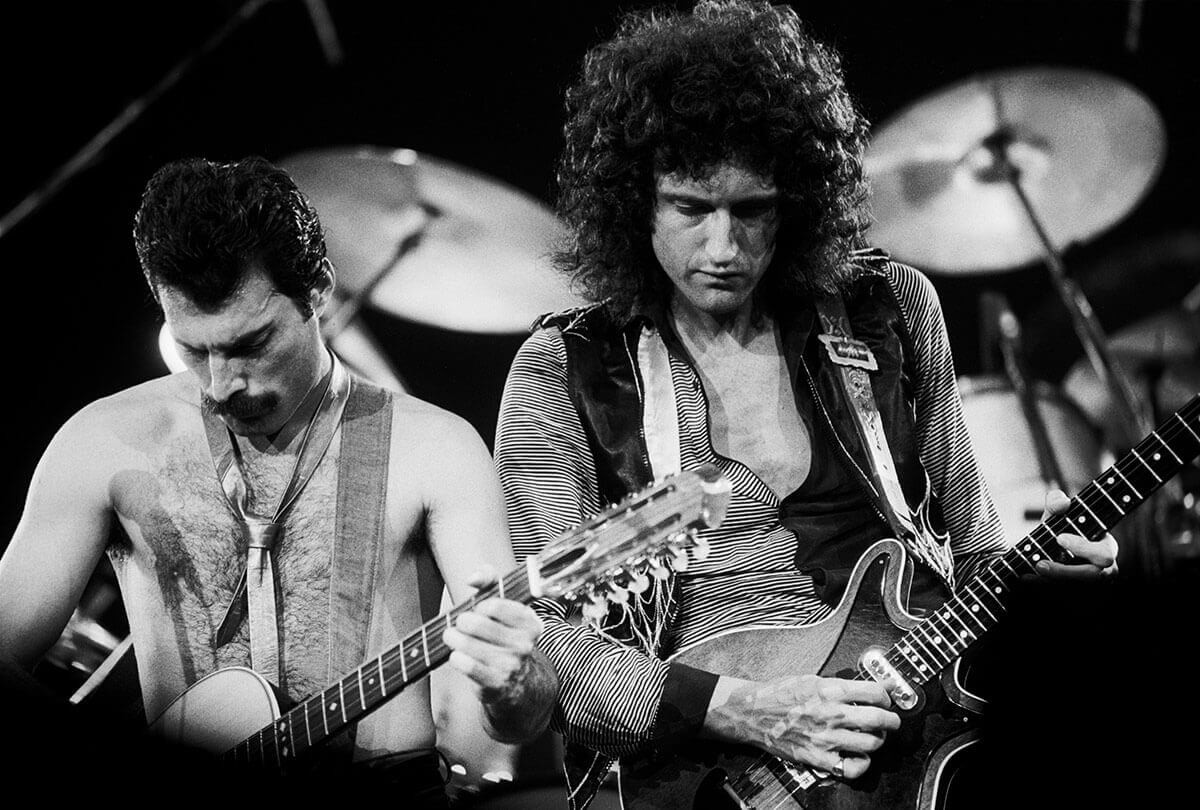
- If Queen sold their music rights today, according to a calculation made by experts, the royalty rights could reach the sum of 1.1 billion dollars (~6 billion reais).
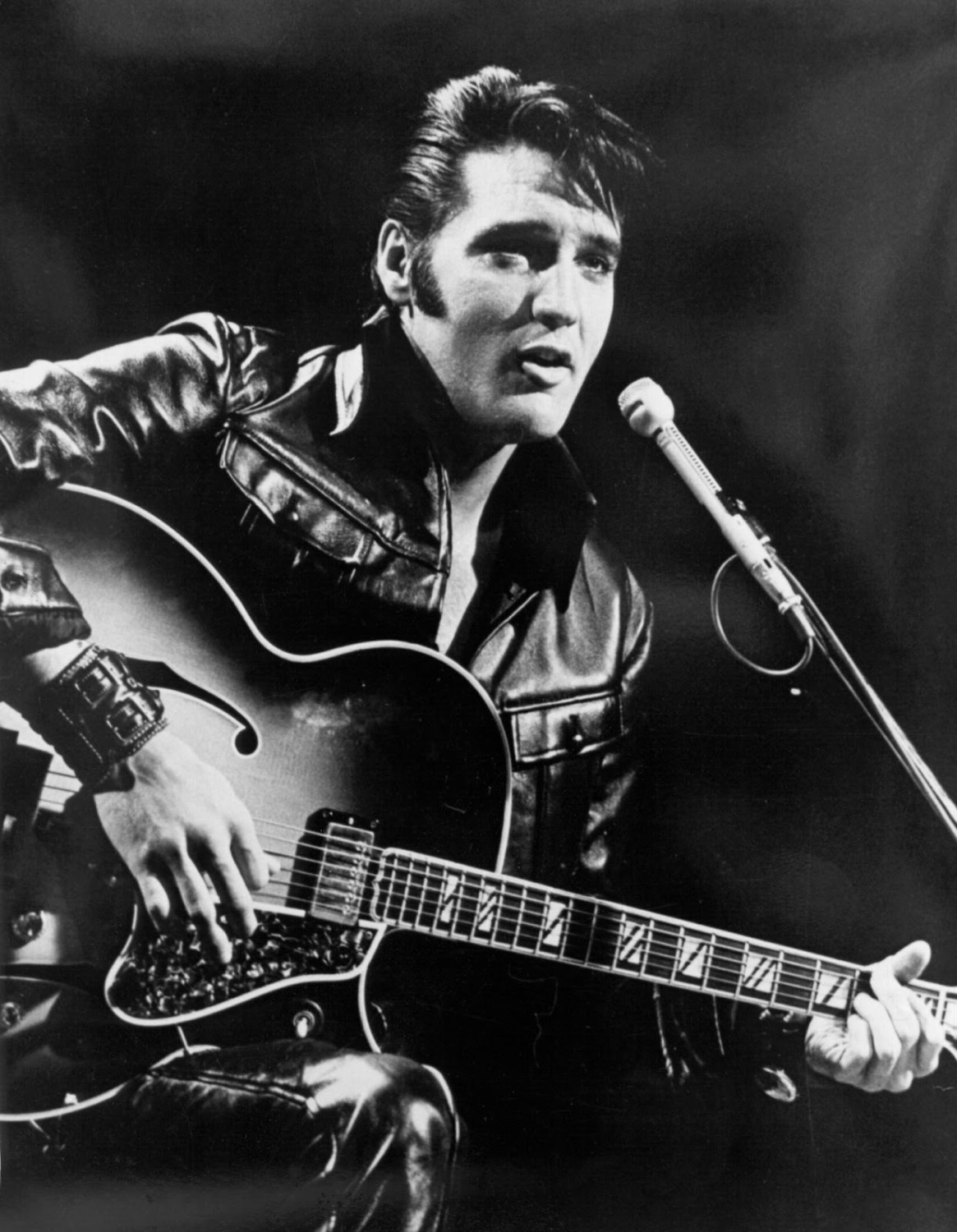
- Everything related to the king of Rock, Elvis Presley, is now owned by the company Authentic Brands Group. It is estimated that the amount paid by the company was 125 million dollars.
- Besides being a visionary musician, David Bowie also caused a sensation on Wall Street in 1997 by becoming the first singer to turn his copyrights into a very special financial investment: bonds. The “Bowie Bonds” he launched were backed by the royalties from his songs.
- The Hipgnosis Fund was created by Merck Mercuriadis, former manager of Guns N’ Roses, and has a portfolio valued at 8.1 billion dollars with music catalogs.
Mergers and acquisitions have become attractive to rockers and, of course, to the entire music industry!
Publishing rights are a lucrative business; a good example of this was the investment made by Michael Jackson with the acquisition of 251 Beatles songs for more than 47 million dollars in 1985, doubling the amount invested in less than 10 years.
But that catalog was cheap by today’s standards. These deals allow the accumulation of royalty revenue, as well as income from licensing music for use in films, TV, and advertising. In the case of major popular artists with large catalogs, this can generate significant revenue over time, which justifies the enormous sums spent on the most prestigious catalogs.
The acceleration of acquisitions was driven by several factors, perhaps the most notable being the growing popularity of music streaming. With many concerts canceled across most of the world throughout 2020 and 2021 (due to the pandemic), artists were forced to consider alternative ways to generate revenue.
Music economist Peter Tschmuck, from the University of Music and Performing Arts in Vienna, said that the motivations for these rights sales vary. “It can be a source of additional income, since, after all, many performance opportunities were eliminated,” he said about younger artists selling publishing rights amid a pandemic.
Meanwhile, older artists such as Bob Dylan may want to ensure that their musical legacy is properly managed for future generations, Tschmuck believes.
Anyone who thinks rock’n’roll is just about loud guitars and lots of attitude on stage is mistaken.
It is not enough to know how to sing or compose hit songs; you must continuously learn, form partnerships, build a strong brand, understand entrepreneurship, and take very good care of your money. And, of course, build a legacy.
And 2022 is still only halfway through. It’s an M&A year, baby!
Sources: Music Business Worldwide / Veredito / Billboard